

Protocol
Validation of the IKE Bluetooth® Low Energy System for Age-Gating and Control of an ENDS Device: A Multi-Center Human Factors Study
A comprehensive human factors validation study was conducted to evaluate the effectiveness of the IKE Bluetooth® Low Energy System in age-gating and controlling an Electronic Nicotine Delivery System (ENDS) device.
This study assessed the IKE application user interface, mitigated potential use-related hazards through observational analysis of participants interacting with the IKE application and a test device, and evaluated participant feedback.
The IKE Bluetooth® Low Energy System, integrated on a System-on-Chip (SoC) with an interactive on-market user interface, was tested in simulated-use environments with representative user populations. Results indicate high efficacy in age verification, with 100% of participants successfully completing the process, though challenges in device deactivation post-idle time were identified. These findings are under review by the U.S. Food and Drug Administration (FDA) as part of a Pre-Market Tobacco Application (PMTA) for the IKE Bluetooth® Low Energy System on a Chip.
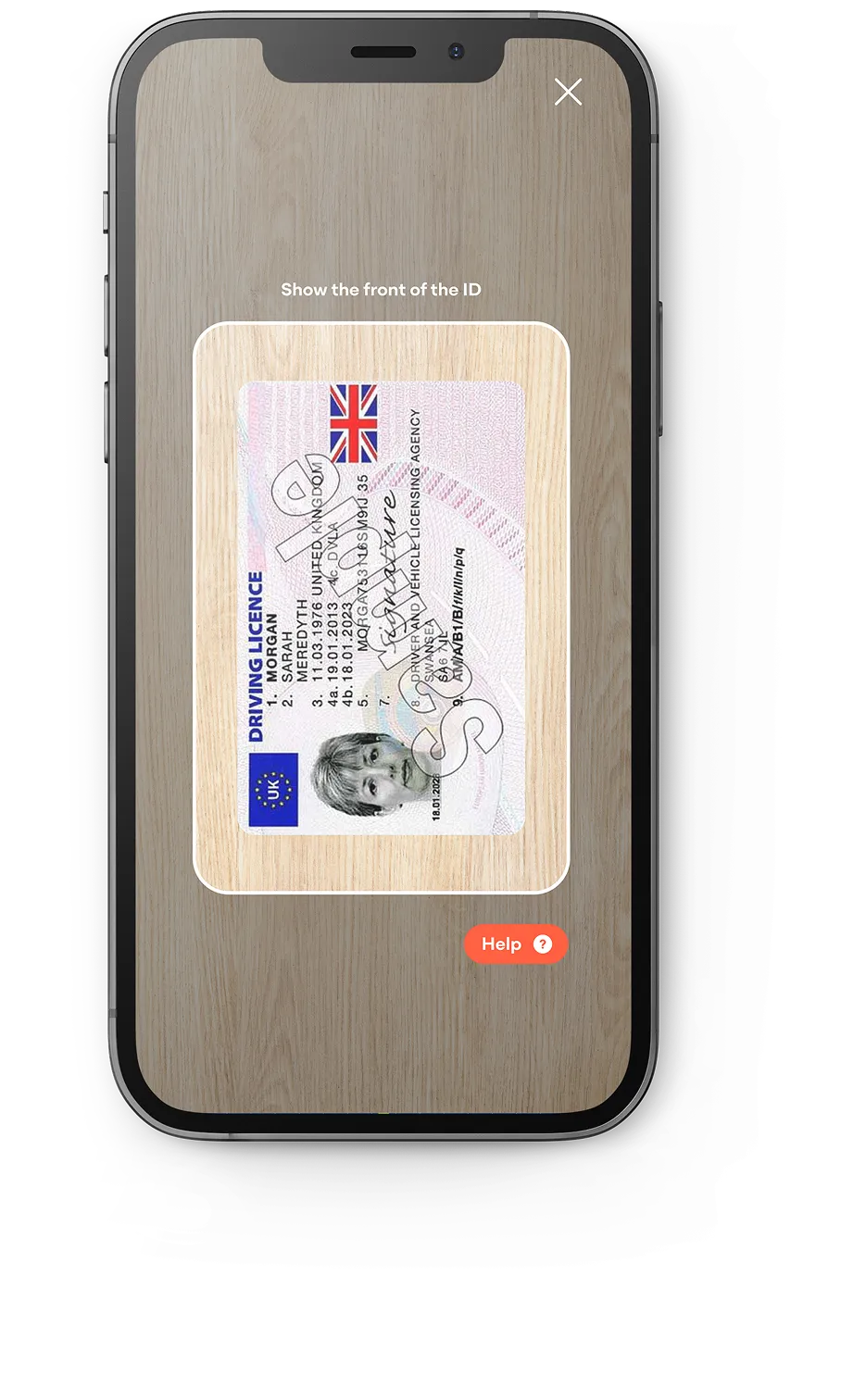
The IKE Bluetooth® Low Energy System is designed to restrict access to ENDS devices by implementing robust age-gating mechanisms, a critical public health measure to prevent youth initiation of nicotine use.This study aimed to validate the system’s effectiveness in age verification and device control through a human factors approach, focusing on the usability of the IKE application and its Bluetooth® low energy technology functionality. The system leverages smartphone technology to connect to and activate an ENDS device, ensuring only age-verified users can operate it.This study evaluates the system’s performance in simulated-use scenarios, addressing legal age connectivity, device activation, and deactivation protocols, including biometric authentication and idle-time deactivation.
A multi-center human factors validation study was conducted with a sample of 102 participants recruited from the general population.
Participants were 51% male and 49% female, aged 18 to 67 years (22% aged 18–20, 18% aged 21–24, 20% aged 25–44, 20% aged 45–64, and 20% aged 65 or older). Inclusion criteria required participants to be comfortable using smartphones and phone applications, as assessed by a 5-point Likert scale intake questionnaire (mean score ≥ 4.0).
Participants were tasked with using their own smartphones to work through a series of tasks designed to simulate real-world usage of the IKE Bluetooth® Low Energy System. The study protocol involved three primary tasks: (1) downloading and installing the IKE application, (2) completing age verification using on-screen prompts, and (3) activating and deactivating a test ENDS device via Bluetooth® connectivity.
Device activation was assessed by the ability to establish a stable Bluetooth® connection, while deactivation was evaluated by the system’s ability to disconnect the device after 15 minutes of idle time or through biometric re-authentication (fingerprint or facial recognition). Observational data were collected on task completion rates, error occurrences, and user-reported ease of use. Participants rated their experience using a 5-point Likert scale (1 = Not Easy, 5 = Extremely Easy). Data were analyzed using descriptive statistics and qualitative thematic analysis of participant feedback.
Device activation was assessed by the ability to establish a stable Bluetooth® connection, while deactivation was evaluated by the system’s ability to disconnect the device after 15 minutes of idle time or through biometric re-authentication (fingerprint or facial recognition). Observational data were collected on task completion rates, error occurrences, and user-reported ease of use. Participants rated their experience using a 5-point Likert scale (1 = Not Easy, 5 = Extremely Easy). Data were analyzed using descriptive statistics and qualitative thematic analysis of participant feedback.
Device activation was assessed by the ability to establish a stable Bluetooth® connection, while deactivation was evaluated by the system’s ability to disconnect the device after 15 minutes of idle time or through biometric re-authentication (fingerprint or facial recognition). Observational data were collected on task completion rates, error occurrences, and user-reported ease of use. Participants rated their experience using a 5-point Likert scale (1 = Not Easy, 5 = Extremely Easy). Data were analyzed using descriptive statistics and qualitative thematic analysis of participant feedback.
Device activation was assessed by the ability to establish a stable Bluetooth® connection, while deactivation was evaluated by the system’s ability to disconnect the device after 15 minutes of idle time or through biometric re-authentication (fingerprint or facial recognition). Observational data were collected on task completion rates, error occurrences, and user-reported ease of use. Participants rated their experience using a 5-point Likert scale (1 = Not Easy, 5 = Extremely Easy). Data were analyzed using descriptive statistics and qualitative thematic analysis of participant feedback.
Device activation was assessed by the ability to establish a stable Bluetooth® connection, while deactivation was evaluated by the system’s ability to disconnect the device after 15 minutes of idle time or through biometric re-authentication (fingerprint or facial recognition). Observational data were collected on task completion rates, error occurrences, and user-reported ease of use. Participants rated their experience using a 5-point Likert scale (1 = Not Easy, 5 = Extremely Easy). Data were analyzed using descriptive statistics and qualitative thematic analysis of participant feedback.
Device activation was assessed by the ability to establish a stable Bluetooth® connection, while deactivation was evaluated by the system’s ability to disconnect the device after 15 minutes of idle time or through biometric re-authentication (fingerprint or facial recognition). Observational data were collected on task completion rates, error occurrences, and user-reported ease of use. Participants rated their experience using a 5-point Likert scale (1 = Not Easy, 5 = Extremely Easy). Data were analyzed using descriptive statistics and qualitative thematic analysis of participant feedback.